
A.T.L.A.S
Artemis Telemetry & Live Acquisition System
Initialising systems...
Establishing uplink to JPL Horizons
Synchronising ephemeris data
Loading Earth & Moon textures
Plotting trajectory from flight dynamics
Linking DSN telemetry feeds
Calibrating mission elapsed time
Rendering 3D viewport
All systems nominal
WELCOME TO A.T.L.A.S
TELEM · LIVE
EM-2 · RETURN
DSN · PACCOM
ORION · SDG
· · · PACIFIC OCEAN · OFF SAN DIEGO · USS JOHN P. MURTHA · · ·
· · · WISEMAN · GLOVER · KOCH · HANSEN · · ·
Splashdown · Countdown
ART-II · FLIGHT DAY 10 · FINAL APPROACH
TIME TO SPLASHDOWN
--
HRS
:
--
MIN
:
--
SEC
Estimated splashdown --:-- UTC · Pacific Ocean
Phase
RETURN COAST
Flight Day
10
Next Event
CM/SM SEPARATION
Recovery Ship
USS MURTHA
SYS.47 · PROC
FD-06 · COMP
PORT 39B · KSC
PACCOM · SDG
ARTEMIS II · TELEMETRY
ORION · INTEGRITY
· · · DSN-34 · DSN-43 · GOLDSTONE · CANBERRA · MADRID · · ·
· · · JPL HORIZONS · EPHEMERIS DATA · SPACECRAFT -1024 · · ·
Mission Status · Complete
ART-II · LC-39B · 2026.04.01 — 2026.04.10
MISSION COMPLETE
Artemis II · Orion "Integrity" · Splashdown Confirmed
Mission Duration
~10DAYS
Total Distance
695,081MI
Max Earth Distance
252,760MI
Closest Lunar Approach
4,070MI
Max Velocity
24,500MPH
Record Surpassed
Apollo 13 +4,105MI
CDR
Wiseman
NASA
PLT
Glover
NASA
MS-1
Koch
NASA
MS-2
Hansen
CSA
Mission Firsts
First crewed flight beyond LEO since Apollo 17 (Dec 1972)
First person of colour beyond LEO (Victor Glover)
First woman beyond LEO (Christina Koch)
First Canadian to the Moon (Jeremy Hansen)
Farthest humans from Earth — surpassing Apollo 13 (1970)
First crewed SLS launch · First crewed Orion flight
📡
A.T.L.A.S
A.T.L.A.S
Artemis Telemetry & Live Acquisition System
NASA EDT
--:--:--
Mission Elapsed Time
0D:00H:00M:00S
Local Time
--:--:--
Initialising...
Active
AUTO
Drag to orbit · Scroll to zoom · Double-click to reset
Earth–Moon: 384,400 km
Closest approach: ~6,543 km
Max Earth dist: 406,773 km
To scale
T+0D 00:00
Connecting to AROW...
Dist. Earth
KM
Dist. Moon
KM
Velocity
KM/H
Progress
%
Comms Delay
SEC
Live Attitude Drag to orbit · Double-click to reset
Attitude
Roll
degrees
Pitch
degrees
Yaw
degrees
+90 -90
Angular Rates
Roll Rate
°/s
Pitch Rate
°/s
Yaw Rate
°/s
RCS Thrusters — Service Module · Aft View
RCS IDLE
OMS ABCD R1R R2R R4R R3R R1L R2L R3L R4L A3A A4A A3F A4F B5A B6A B5F B6F C1A C2A C1F C2F D5A D6A D5F D6F AFT VIEW GRP1: — GRP2: —
Comm Link
Ant 1Az—°El—°
Ant 2Az—°El—°
Light Timesec
SC Mode
Solar Array Wings — ESM
SAW 1
—°
SAW 2
—°
SAW 3
—°
SAW 4
—°
Total Output— kW/ 11.2 kW
NO SIGNAL
Loss of signal — spacecraft behind the Moon
ARCHIVED DATA — MISSION COMPLETE
⚠ SIMULATED DATA — NASA AROW CURRENTLY UNAVAILABLE
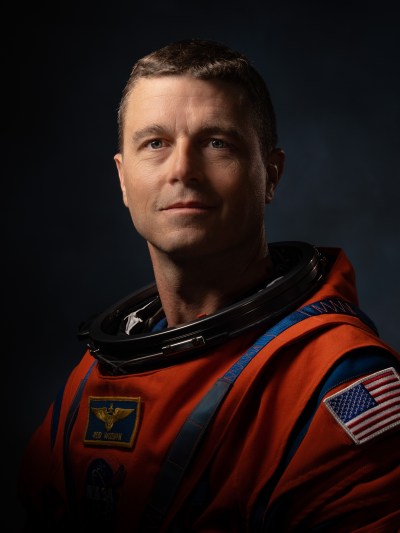
Reid Wiseman
Commander
Reid Wiseman
NASA · U.S. Navy Captain (Ret.)
27-year Navy veteran, test pilot, and former Chief of the Astronaut Office. Previously flew on ISS Expedition 40/41 (165 days, 2 EVAs). Oldest person to travel beyond LEO. Single father of two.
Age: 50Flights: 2EVAs: 2
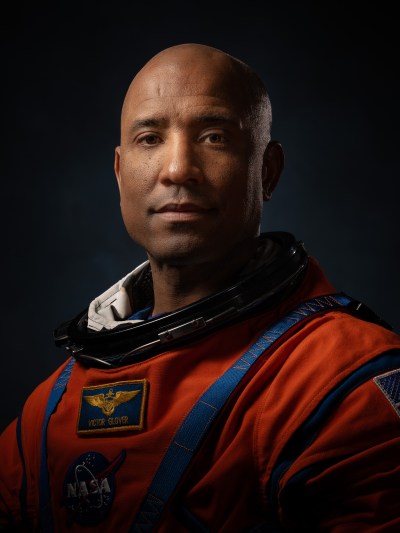
Victor Glover
Pilot
Victor Glover
NASA · U.S. Navy Captain
Naval aviator with 3,500+ flight hours across 40+ aircraft and 24 combat missions. Pilot of SpaceX Crew-1 to ISS (168 days, 4 EVAs). First person of colour to fly beyond LEO.
Age: 49Flights: 2EVAs: 4

Christina Koch
Mission Specialist 1
Christina Koch
NASA
Electrical engineer and physicist. Set the record for longest single spaceflight by a woman (328 days) on ISS Expeditions 59/60/61. Participated in the first all-female spacewalks. First woman beyond LEO.
Age: 47Flights: 2EVAs: 6
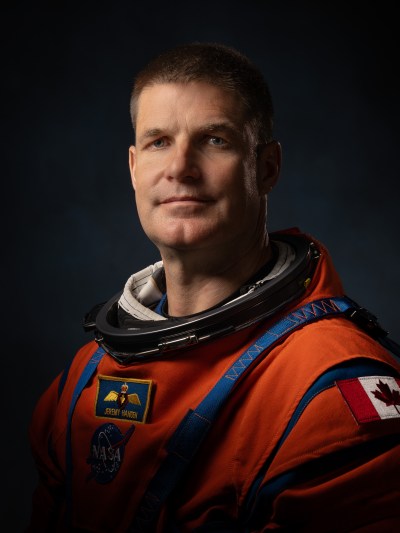
Jeremy Hansen
Mission Specialist 2
Jeremy Hansen
CSA · Canadian Space Agency
Former CF-18 fighter pilot and combat operations officer. Selected by CSA in 2009. First Canadian to lead a NASA astronaut class (2017). First non-American to fly beyond LEO. This is his first spaceflight.
Age: 50Flights: 1EVAs: 0
Mission Milestones — Live
Mission Records & Firsts
Distance Record
Farthest humans from Earth
406,773 km — surpassing Apollo 13 (400,171 km) by ~6,602 km
First Woman
Christina Koch — first woman beyond LEO
Previously held longest single female spaceflight (328 days)
First Person of Colour
Victor Glover — first person of colour beyond LEO
Also first African-American to fly toward the Moon
First Non-American
Jeremy Hansen — first non-U.S. citizen beyond LEO
First Canadian astronaut to fly to the Moon
Re-entry Velocity
~40,000 km/h atmospheric re-entry
Heat shield temperatures reaching ~1,650°C (3,000°F)
Crew in Deep Space
4 humans beyond LEO simultaneously
Previous record: 3 (every Apollo mission, 1968–1972)
Mission Parameters
Launch
01 Apr 2026, 22:35:12 UTC
Vehicle
SLS Block 1 / Orion CM-002
Spacecraft Name
Integrity
Launch Site
LC-39B, KSC, Florida
Total Distance
~1,118,700 km (695,081 mi)
Max Dist. from Earth
406,773 km (252,757 mi)
Closest Lunar Approach
~6,543 km (4,066 mi)
Mission Duration
~9.5 days (~218 hrs)
Splashdown
10 Apr 2026, Pacific off San Diego
Apollo 13 Record
400,171 km (to be surpassed)
TLI Burn Duration
5 min 55 sec
TLI Propellant
LH2/LOX (ICPS RL10 engine)
Loss of Signal (Far Side)
~40 minutes
ZGI Mascot
"Rise" by Lucas Ye, age 8
Flyby Window
06 Apr, 14:45–21:40 EDT
Solar Eclipse from Orion
~1 hour during flyby
Orion MPCV — "Integrity"
Crew Module
CM-002 (Lockheed Martin)
Service Module
ESM-2 (Airbus / ESA)
Main Engine
AJ10 (26.7 kN)
Aux. Thrusters
8× R-4D-11 (490 N ea)
RCS Thrusters
24× (220 N ea)
Solar Arrays
4 wings, 11.2 kW total
Crew Volume
9 m³ habitable
Heat Shield
AVCOAT ablative (5m dia)
Mass (at TLI)
~26,300 kg
Design Life
21 days (active)
Launch Abort System
3 solid motors, jettisoned at T+3:30
Parachute System
2 drogue + 3 main (35m dia each)
NASA Television · Live coverage
Orion spacecraft · Live camera feed
CHANGELOG — V2.5.0
Mission Complete — Post-Splashdown
· Dashboard switches to archived/replay mode following splashdown
· Mission complete overlay with full mission stats, crew, and mission firsts
· Splashdown countdown removed — mission complete modal takes over
· Telemetry tab shows archived state with final spacecraft data
· Sidebar countdown hidden post-mission
· Corrected AROW splashdown timestamp to 00:07 UTC (8:07 PM EDT)
Splashdown Day
· Splashdown countdown overlay — FUI-styled modal with live hours/minutes/seconds countdown
· Countdown auto-updates mission phase as splashdown approaches (Return Coast → CM/SM Separation → Entry → Chute Deploy → Splashdown)
· Click "Enter Dashboard" to minimise into a compact floating widget (bottom-right), click to expand back
· Simulated telemetry fallback — when NASA AROW is unavailable, generates physically plausible attitude, rates, SAW angles and gimbal data
· Simulated data varies with mission phase (BBQ roll, return coast, entry prep) with subtle sinusoidal drift
· Orange notice banner on telemetry tab when running on simulated data
· Automatic switch back to live data if AROW recovers
· Local 10-second update loop for simulated telemetry (API polled at 60s to check for real data)
· Auto-rotate option — automatically cycles between Flight Path and Telemetry tabs every 60 seconds
· AUTO badge in the tab bar shows when rotation is active
· Toggle on/off in Settings, pauses for 5 minutes when you manually switch tabs
· Unified API — all data sources now served through a single authenticated endpoint
· Reduced network polling to 60-second intervals across all data sources
· Theme-aware 3D scenes — Orion model and trajectory colours update with theme selection
· Earth atmosphere glow now matches the active colour theme
· RCS thruster firing state uses theme-aware status colour
· All asset URLs now served locally from track-artemis.com
New Telemetry Tab — Live Spacecraft Systems
· New dedicated Telemetry tab (tab 02) with live AROW spacecraft data
· Real-time attitude readouts (roll, pitch, yaw) with artificial horizon indicator
· Angular rate displays with bidirectional bars and thruster firing detection
· 3D Orion model driven by live AROW quaternion data with starfield background
· Drag to orbit the model, scroll to zoom, double-click to reset to live attitude
· Solar array wing angles (SAW 1–4) with rotation bars and estimated total power output
· Compact comm link panel: antenna gimbal positions, one-way light time, spacecraft mode
· Full RCS thruster schematic — aft view with all 24 thrusters mapped by name
· Individual thruster firing states from AROW data shown in real time (green = firing)
· Status hex bytes (GRP1/GRP2) displayed below the RCS diagram
· Orion MPCV specs table with two-column layout
· Orbital telemetry strip (distance to Earth/Moon, velocity, progress, comms delay) moved here from Flight Path tab
· AROW connection status indicator with live/error states and timestamp
AROW Data Proxy
· Server-side PHP proxy (arow-proxy.php) to bypass CORS restrictions
· Supports both SSE streaming and JSON polling modes
· Polling at 3-second intervals with automatic SSE upgrade attempt
· Graceful fallback if SSE connection fails after 3 retries
Tab Restructure
· Telemetry tab renamed to Flight Path (3D trajectory and playback)
· New Telemetry tab at position 02 for all live spacecraft data
· Vehicle tab removed — Orion specs now live in the Telemetry tab
· Tab order: Flight Path, Telemetry, Timeline, Crew & Mission, Feeds, Gallery
Settings Panel
· New settings modal accessible via ☰ button in the top bar
· Settings button remains visible on mobile
· Colour scheme picker moved into settings panel
· Three colour themes: Default (Cyan), Ares (Orange), Gold
Skip Loader Preference
· Toggle to skip the boot sequence on return visits
· Persists across sessions via localStorage
· Skip button added to loading screen for one-off use
Crew & Mission Tab — Layout Overhaul
· Crew cards now in a 2×2 grid layout
· Two-column split below crew: live milestones on the left, records & parameters on the right
· Both columns independently scrollable
· Stacks to single column on mobile
Real-time Mission Milestones
· 29 timestamped events from liftoff to splashdown
· Newest events at the top
· Future events hidden — timeline grows as milestones are reached
· Active milestone highlighted with cyan accent
· Shows UTC time, event description, and MET for each milestone
· Sticky header stays fixed while events scroll
· Updates every 30 seconds
Branding
· Renamed to A.T.L.A.S (Artemis Telemetry & Live Acquisition System)
· Designed mission badge logo
· Shaded Orion spacecraft in Artemis II patch palette
· Added PNG favicon support for iOS and PWA
Trajectory & Telemetry
· Real JPL Horizons data — trajectory built from actual ephemeris data points
· Fixed Orion tracking along the correct path
· Fixed waypoint positions — Closest Approach, Max Distance and Far Side LOS now sit at the Moon
· Fixed LEO/HEO orbits — properly scaled, no longer pass through Earth
· Fixed return approach — smooth curve back to Earth
· Fixed Orion orientation — nose faces forward
· Renamed Trajectory tab to Telemetry
DSN Live Tracking
· Live NASA Deep Space Network dish data
· Shows active dishes tracking Artemis II
· Dish name, site, azimuth, elevation, signal data
· Round-trip light time readout
Image Gallery
· Pulls crew photos from NASA Journey to the Moon gallery
· Strict filtering for in-flight images only
· Sorted newest first
· Lightbox with close button
Vehicle Tab
· Split into SLS Block 1 and Orion — Integrity sub-tabs
· Added SLS Sketchfab 3D model
· Both models lazy-loaded to avoid heavy page load
About Modal
· ATLAS logo, data sources, telemetry explanation, accuracy disclaimer
Visitor Tracking
· Cookieless tracking — active viewers and total visits in bottom bar
Social & Meta
· Open Graph and Twitter Card tags
· Social share image support
UI Refinements
· Mission phase label in orange, status in green
· Mobile: condensed header, responsive gallery grid
· About button visible on mobile
ABOUT A.T.L.A.S
A.T.L.A.S
A.T.L.A.S (Artemis Telemetry & Live Acquisition System) is an unofficial real-time tracking dashboard for NASA's Artemis II — the first crewed lunar flyby since Apollo 17 in December 1972. It visualises live spacecraft telemetry, trajectory data and mission status using publicly available NASA data sources.
JPL Horizons System
Spacecraft ephemeris, position, velocity & celestial coordinates. Object ID: -1024 (Orion / Artemis II)
NASA Deep Space Network
Real-time antenna tracking, signal strength, data rates & round-trip light time via DSN Now XML feed
NASA Artemis II Press Kit
Mission timeline, crew biographies, vehicle specifications & mission parameters
NASA AROW
Artemis Real-time Orbit Website — official tracking vectors & state data
Spacecraft distance, velocity and position are derived from JPL Horizons ephemeris data, updated in real-time when online. When offline, the tracker interpolates from pre-computed trajectory points. The 3D trajectory uses real orbital mechanics data with Chaikin curve smoothing for visual clarity.
This is an unofficial tracker built for educational and enthusiast purposes. While it uses genuine NASA data sources, it is not affiliated with NASA, JPL or the Artemis programme. For official mission tracking, visit NASA AROW.
Michael Overton · overton.cloud
Live telemetry: JPL Horizons (spacecraft -1024) · For official tracking visit NASA AROW · watching now · total visits
© Michael Overton · overton.cloud · Support this project · SRC: JPL Horizons API · NASA Artemis II press kit · v2.5.0
MISSION HIGHLIGHTS
Day 1 · 1 Apr
Liftoff from LC-39B
First crewed SLS launch. LEO insertion, solar arrays deployed. Proximity operations demo with ICPS.
Day 2 · 2 Apr
Trans-Lunar Injection
5 min 50 sec burn commits Orion to free-return trajectory. Wiseman's "Hello, World" Earth photo.
Day 5 · 5 Apr
Lunar Sphere of Influence
Moon's gravity becomes dominant. Koch: "We are now falling to the Moon rather than rising away from Earth."
Day 6 · 6 Apr · 13:56 EDT
Apollo 13 Record Broken
Crew surpasses 248,655 miles — the farthest humans have ever travelled from Earth. Hansen reads tribute statement.
Day 6 · 6 Apr · 19:02 EDT
Closest Approach — 4,070 mi
Orion passes 6,543 km above the lunar surface during 40-minute loss of signal behind the Moon. Far-side observations of 30 geological targets.
Day 6 · 6 Apr · 20:35 EDT
Solar Eclipse from Orion
The Sun disappears behind the Moon for nearly an hour. Crew observes the solar corona and Earthrise.
Day 6 · 6 Apr
Crater Naming Tribute
Hansen proposes naming two craters: "Integrity" for the spacecraft, and "Carroll" in honour of Commander Wiseman's late wife.
Day 10 · 10 Apr · 20:07 EDT
Splashdown
Pacific Ocean off San Diego. Recovery by USS John P. Murtha. First crewed lunar return since Apollo 17, December 1972.